
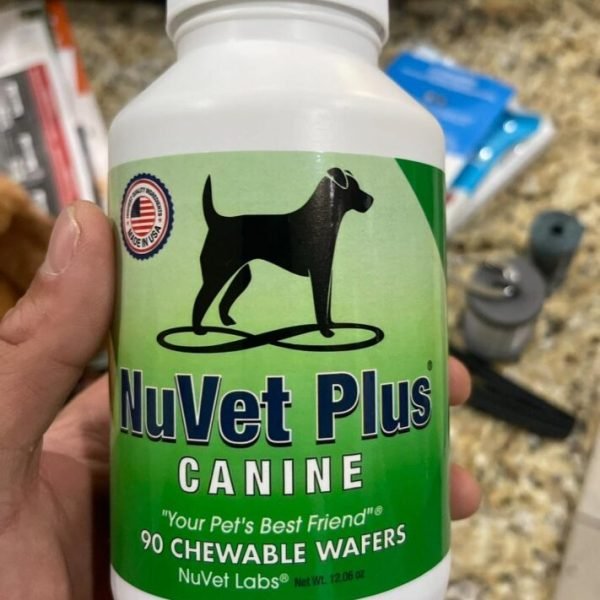
Veterinary note: Supplements can cause side effects, interact with medications, alter laboratory results, or provide excessive nutrients. Ask your veterinarian before starting one—especially for puppies, pregnant dogs, dogs with chronic disease, or dogs taking medication.
English Bulldogs are often marketed a long list of vitamins, oils, powders, chews, probiotics, and joint products. More is not automatically better. If your Bulldog eats an appropriate complete-and-balanced commercial diet, routine vitamin and mineral supplementation is usually unnecessary unless a veterinarian identifies a specific reason.
Quick answer: Choose a supplement for a defined goal, not simply because your dog is a Bulldog. Confirm the goal and dose with your veterinarian, use a product with transparent labeling and quality controls, and track whether it produces a measurable benefit.
Does Every English Bulldog Need Vitamins?
No. “Complete and balanced” pet food is formulated to provide required nutrients for the life stage stated on its label when fed appropriately. Adding a multivitamin on top of that diet may duplicate nutrients without fixing the real cause of itching, low energy, hair loss, digestive upset, or joint pain.
Those signs deserve an evaluation. Skin and coat changes may involve allergies, parasites, infection, endocrine disease, nutrition, or environmental factors. Low energy can reflect pain, breathing limitations, heat, anemia, heart disease, medication effects, and many other causes. A supplement should not delay diagnosis.
A Supplement May Be Considered When
- A veterinarian recommends it for a diagnosed condition
- A documented deficiency or increased need exists
- A home-prepared diet is formulated with a required supplement plan
- A specific therapeutic goal and monitoring plan are defined
- The expected benefit outweighs known risks
Pause Before Adding One When
- The only reason is “all Bulldogs need it”
- The product promises to cure allergies or disease
- Exact ingredient amounts are hidden in a proprietary blend
- You are already using products with overlapping ingredients
- Your dog is ill, medicated, pregnant, or awaiting surgery
Common Supplements for English Bulldogs
| Category | Why It May Be Discussed | Important Limitations |
|---|---|---|
|
Omega-3 fatty acids EPA and DHA |
May be incorporated into veterinary plans for certain skin, inflammatory, or joint conditions. | Products differ greatly in EPA/DHA content. Extra calories, digestive upset, bleeding risk, and medication interactions may matter. Dose should be based on EPA/DHA—not simply “fish oil” volume. |
|
Joint products Glucosamine, chondroitin, UC-II and others |
Sometimes used as one part of a mobility or osteoarthritis plan. | Evidence and product quality vary. They do not replace weight management, appropriate activity, pain assessment, or prescribed treatment. |
| Probiotics | A veterinarian may choose a specific product or strain for a particular digestive problem or during certain treatments. | Benefits are strain- and condition-specific. “Contains probiotics” does not show that organisms remain viable or that the product fits your dog’s problem. |
| Fiber | May be used in carefully selected plans for stool quality, satiety, or certain gastrointestinal conditions. | Different fibers behave differently. Too much or the wrong type can worsen gas, stool, hydration, or nutrient balance. |
| Skin and coat blends | May provide fatty acids or other nutrients when a veterinarian identifies a relevant goal. | They do not diagnose or cure allergies, yeast, bacterial infection, parasites, or fold dermatitis. |
| Multivitamins and minerals | Useful when a documented deficiency exists or as part of a professionally formulated home-prepared diet. | Usually unnecessary with a complete-and-balanced diet. Excess vitamin A, vitamin D, calcium, and other nutrients can be harmful. |
Omega-3 Is Not One Standard Dose
Fish-oil labels may list total oil, total omega-3, or individual EPA and DHA amounts. These numbers are not interchangeable. Ask your veterinarian which active amount matters for the goal, how it affects daily calories, and whether the product should be stopped before a procedure.
Joint Supplements Are Only One Part of Mobility Care
A Bulldog that is stiff, slow to rise, reluctant on stairs, or less active needs a pain and mobility assessment. Healthy weight, controlled exercise, nonslip flooring, physical rehabilitation, and veterinary treatment may be more important than any chew. See our senior Bulldog care guide.
Probiotics Should Match the Problem
Probiotics are living microorganisms, and products are not interchangeable. Evidence for one strain and condition cannot automatically be applied to every product. Persistent diarrhea, vomiting, blood in stool, appetite loss, pain, or dehydration requires veterinary attention rather than trial-and-error supplementation.
Supplement Safety for English Bulldog Puppies
Puppies have different nutrient needs from adults, but that does not mean they need an added multivitamin. Feed a diet labeled complete and balanced for the puppy’s appropriate growth stage and ask your veterinarian about the amount and feeding schedule.
Do not add calcium or vitamin D to a balanced puppy food unless your veterinarian or a board-certified veterinary nutritionist specifically directs it. Excesses and imbalances during growth can be harmful. Human gummy vitamins and flavored supplements may also contain xylitol or unsafe nutrient levels.
If you feed a home-prepared diet, a general internet recipe plus a random multivitamin is not enough. The recipe and supplement combination should be formulated for the individual dog by a qualified veterinary nutrition professional.
How to Choose a Dog Supplement
Interactions, Side Effects, and Red Flags
“Natural” does not mean interaction-free. Supplements may affect blood clotting, sedation, blood sugar, blood pressure, liver metabolism, gastrointestinal function, or laboratory testing. Tell every veterinarian caring for your dog about every product and dose.
Stop and Contact Your Veterinarian
- Vomiting, diarrhea, appetite loss, or marked gas
- Itching, facial swelling, hives, or breathing changes
- Weakness, tremors, unusual sleepiness, or agitation
- Bruising, bleeding, or black stool
- A worsening of the condition being treated
Bring to the Appointment
- The original package or clear label photos
- Ingredient amounts and serving size
- Lot number and expiration date
- How much was given and when
- All medications, foods, treats, and other supplements
Frequently Asked Questions
What is the best vitamin for an English Bulldog?
There is no single best vitamin for the breed. A healthy Bulldog eating an appropriate complete-and-balanced diet may not need an additional vitamin. The best choice depends on a diagnosed need, the full diet, age, health, and medication use.
Do English Bulldogs need fish oil?
Not automatically. A veterinarian may recommend a defined EPA/DHA dose for a specific skin, inflammatory, or joint goal. Product concentration, calories, side effects, and interactions should be reviewed first.
Will supplements cure my Bulldog’s allergies?
No supplement should be presented as a cure for allergies. Itching may involve environmental or food allergy, infection, parasites, fold irritation, or another condition. Diagnosis and control of secondary problems are essential.
Can I give my Bulldog a human multivitamin?
Do not do so without veterinary direction. Human products may provide unsuitable doses or contain ingredients such as xylitol that are dangerous to dogs.
Should senior Bulldogs take joint supplements?
Some may use one as part of a broader mobility plan, but stiffness should first be assessed. Weight, muscle condition, exercise, home setup, pain control, and rehabilitation may all matter.
Preparing for an English Bulldog Puppy?
Meet our available puppies and review our purchase process, feeding preparation, and $500 reservation deposit before bringing your puppy home.